 PROUDLY AUSTRALIAN OWNED & OPERATED
How to Prepare Your Home for Flooding in Queensland
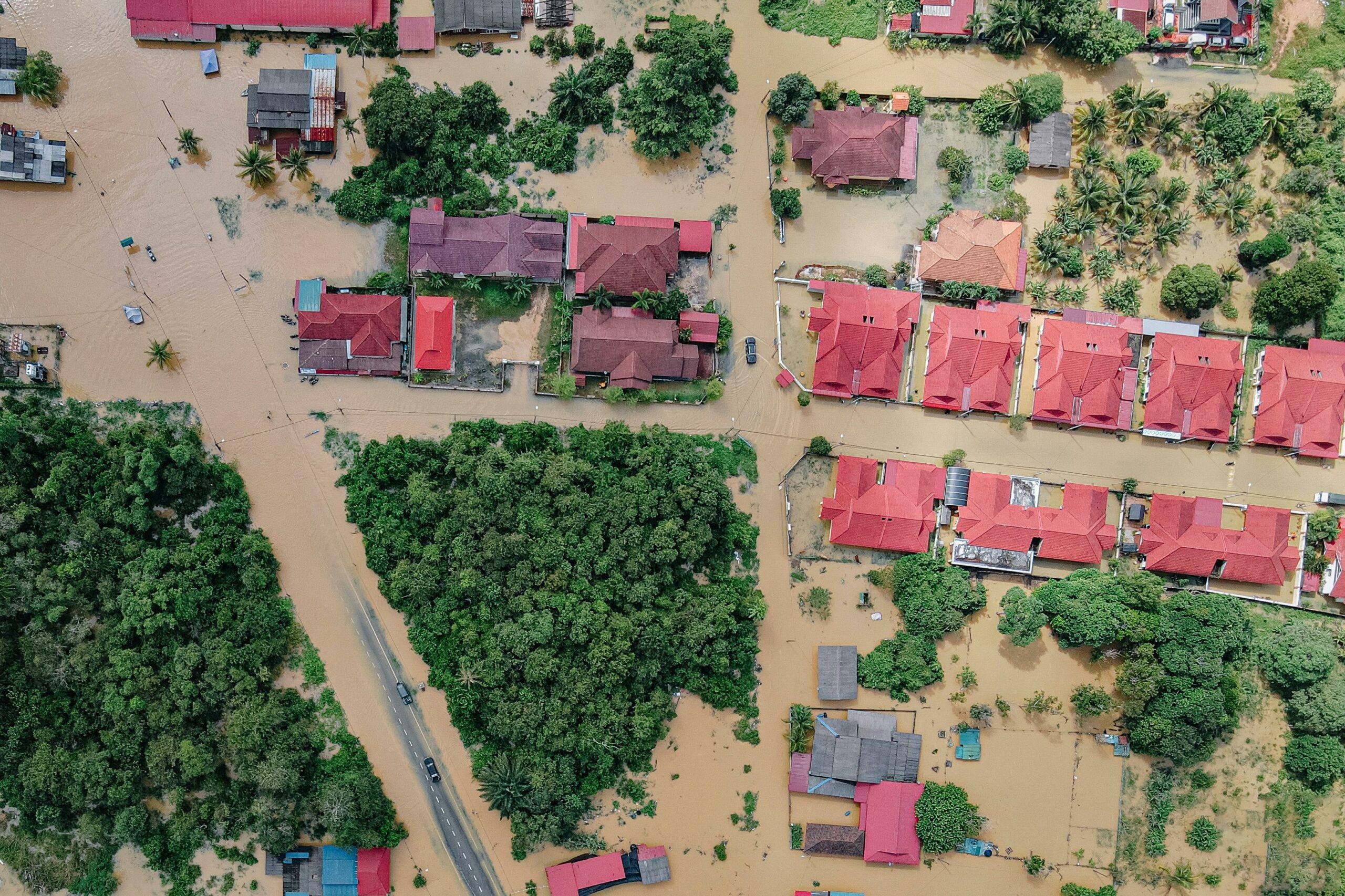
A calm, practical guide to getting flood-ready
Flooding is an unfortunate reality for many parts of Queensland, especially during the wet season. Whether it’s flash flooding, river flooding, or heavy rainfall overwhelming drainage systems, being prepared can make a huge difference to your safety, your home, and your peace of mind.
The key is to prepare before the rain starts falling. Here’s a simple, practical checklist to help you get flood-ready—without the overwhelm.
1. Know Your Flood Risk
Understanding your risk helps you plan properly.
What to do:
-
Check if your home is in a flood-prone area (visit QLD flood alerts, and search a flood map for your local council area, or just ‘(your suburb) flooding’ should show you the info you need)
-
Learn the difference between flash flooding and river flooding in your region
-
Know which local roads are likely to flood first
-
Familiarise yourself with local evacuation routes and higher ground
2. Create a Household Flood Plan
When water rises, decisions need to be made quickly.
What to do:
-
Agree on when you’ll stay and when you’ll leave
-
Decide where you’ll go if evacuation is needed
-
Plan how you’ll communicate if family members aren’t home
-
Include a plan for pets and livestock
Make sure everyone in the household understands the plan.
3. Prepare an Emergency Kit
Having essentials ready means one less thing to worry about.
Include:
-
Drinking water and non-perishable food for at least 3 days
-
First aid kit and essential medications
-
Torches, spare batteries, and power banks
-
Important documents in waterproof bags or containers (or digitalise if possible)
-
Cash, hygiene items, and pet supplies
Store your kit somewhere easy to grab.
4. Protect Your Home from Water Damage
Small steps can significantly reduce damage.
What to do:
-
Clear gutters, drains, and stormwater outlets
-
Make sure downpipes direct water away from the house
-
Seal gaps and cracks around doors and walls
-
Install sandbags if flooding is likely
-
Use flood barriers or door guards if available
If time allows, move outdoor items to higher ground.
5. Move Valuables and Furniture Higher
Water damage often happens quickly.
What to do:
-
Lift furniture, electronics, and appliances off the floor
-
Move valuables and sentimental items to upper levels
-
Store important paperwork in waterproof containers
-
Unplug electrical items if flooding is expected
6. Prepare for Power, Water, and Phone Outages
Flooding often disrupts essential services.
What to do:
-
Fully charge phones, power banks, and backup batteries
-
Keep a battery-powered radio handy
-
Fill containers and bathtubs with water (for cleaning and toilets)
-
Know how to safely turn off electricity, gas, and water if advised
7. Never Drive or Walk Through Floodwater
This is one of the most important safety rules.
Remember:
-
Just 15cm of fast-moving water can knock you off your feet
-
Floodwater can hide debris, open drains, or damaged roads
-
Cars can be swept away in surprisingly shallow water
If it’s flooded—forget it.
8. Stay Up to Date with Warnings
Conditions can change rapidly.
Be ready to:
-
Monitor official weather warnings and emergency alerts
-
Follow advice from local councils and emergency services
-
Evacuate early if instructed—don’t wait until it’s too late
9. Check Insurance and Document Your Home
Preparation now can save a lot of stress later.
What to do:
-
Review your insurance cover for flooding
-
Take photos or videos of your home and contents
-
Keep insurance details accessible and backed up digitally
Final Thoughts
Flooding can be unpredictable, but preparation gives you control when it matters most. By taking these steps early, you can reduce damage, protect what matters, and make safer decisions for you and your family.
Preparation isn’t about fear—it’s about being ready.
If your house/home furniture takes significant damage during a flood, you can claim home furniture rental packages or individual furniture/appliance hire if needed, through your insurance company.
Whether you need placeholder appliances/furniture before your new stuff arrives, or need to recover before buying appliance/furniture replacements – AA Rentals home furniture rental packages & items provide you with all of the essentials, to make the recovery process & life at home much easier.
We’re here to help. Contact Us or browse our website to find out more.
Stay safe, everyone 💙🌧️