 PROUDLY AUSTRALIAN OWNED & OPERATED
How to Prepare Your Home for a Cyclone in Queensland
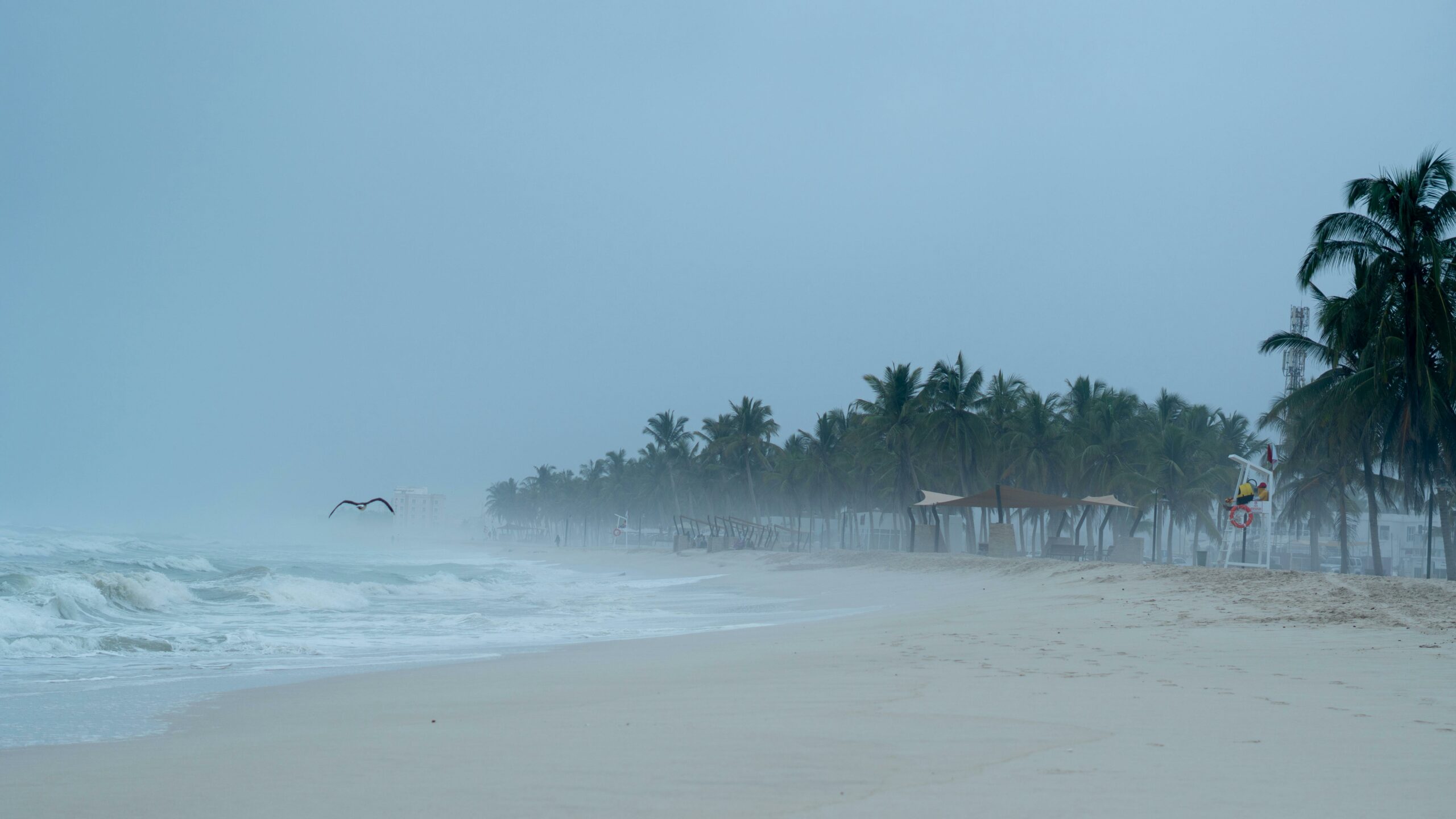
A practical, no-panic guide for cyclone season
If you live in Queensland, cyclone season is just part of life. While the idea of a cyclone can feel overwhelming, the good news is that a bit of preparation goes a long way, and has kept many Queenslanders safe throughout the years. Taking the time to get your home ready can help protect your property, keep your family safe, and reduce stress when wild weather hits.
Below is a practical checklist to help you prepare your house for a cyclone—without the panic.
1. Secure Your Yard and Outdoor Areas
Loose items are one of the biggest hazards during a cyclone. Strong winds can turn everyday objects into dangerous projectiles.
What to do:
-
Bring inside or securely tie down outdoor furniture, pot plants, toys, and BBQs & other items outside
-
Remove hanging items like wind chimes or decorative hooks
-
Store bins in a sheltered area & closely together to avoid movement
-
Trim overhanging tree branches and remove dead trees or other loose heavy plants
-
Secure garden sheds, fences, and water tanks if possible
2. Check Your Roof and Gutters
Your roof is your home’s first line of defence.
What to do:
-
Inspect your roof for loose or damaged tiles and fix them early
-
Make sure screws and fastenings are secure
-
Clear gutters and downpipes so heavy rain can drain properly
-
Check for signs of rust or corrosion on metal roofing
If you’re unsure, a professional inspection before cyclone season is well worth it.
3. Protect Windows and Doors
High winds and flying debris can easily break glass.
What to do:
-
Install cyclone shutters if your home has them
-
Use pre-cut plywood or strong boards to cover windows if needed
-
Make sure all doors (especially roller and garage doors) are in good condition and firmly secured
-
Lock windows and doors before the cyclone hits to reduce pressure build-up
4. Prepare for Power and Water Outages
Cyclones often cause power, water, and communication disruptions.
What to do:
-
Keep torches, spare batteries, and power banks charged
-
Have a battery-powered radio for emergency updates
-
Store enough drinking water for at least 3 days (around 3 litres per person per day)
-
Consider filling your bathtub with water for cleaning and flushing toilets
5. Create a Cyclone Emergency Kit
Having essentials ready means you won’t be scrambling at the last minute.
Include:
-
First aid kit and essential medications
-
Important documents in a waterproof container (or digital copies)
-
Non-perishable food and a manual can opener
-
Cash (ATMs may be unavailable)
-
Hygiene items, nappies, and pet supplies
Keep your kit in an easy-to-reach place.
6. Know Your Safe Room
Choose the safest place in your house ahead of time.
A good safe room is:
-
An interior room with no windows
-
On the lowest level (but not prone to flooding)
-
Away from large spans of roofing
Bathrooms, hallways, or built-in wardrobes often work well.
7. Protect Important Valuables
Water damage is common during cyclones.
What to do:
-
Move electronics and valuables off the floor
-
Use waterproof storage containers
-
Back up important files to the cloud or an external drive
8. Check Your Insurance and Emergency Plan
This step is easy to overlook—but incredibly important.
What to do:
-
Review your home and contents insurance (including cyclone and flood cover)
-
Take photos or videos of your home for insurance records
-
Make sure everyone in the household knows the emergency plan
-
Know when and how to evacuate if advised
9. Stay Informed
Conditions can change quickly during a cyclone.
Be ready to:
-
Monitor official weather warnings
-
Follow advice from emergency services
-
Avoid unnecessary travel once warnings are issued
Final Thoughts
Preparing your home for a cyclone doesn’t have to be stressful. Tackle these steps early, take it one task at a time, and you’ll be in a much stronger position when cyclone season rolls around.
A prepared home is a safer home—and peace of mind is priceless.
If your house/home furniture takes significant damage during a cyclone, you can claim home furniture rental packages or individual furniture/appliance hire if needed, through your insurance company.
Whether you need placeholder appliances/furniture before your new stuff arrives, or need to recover before buying appliance/furniture replacements – AA Rentals home furniture rental packages & items provide you with all of the essentials, to make the recovery process & life at home much easier.
We’re here to help. Contact Us or browse our website to find out more.
Stay safe, everyone 💙🌧️